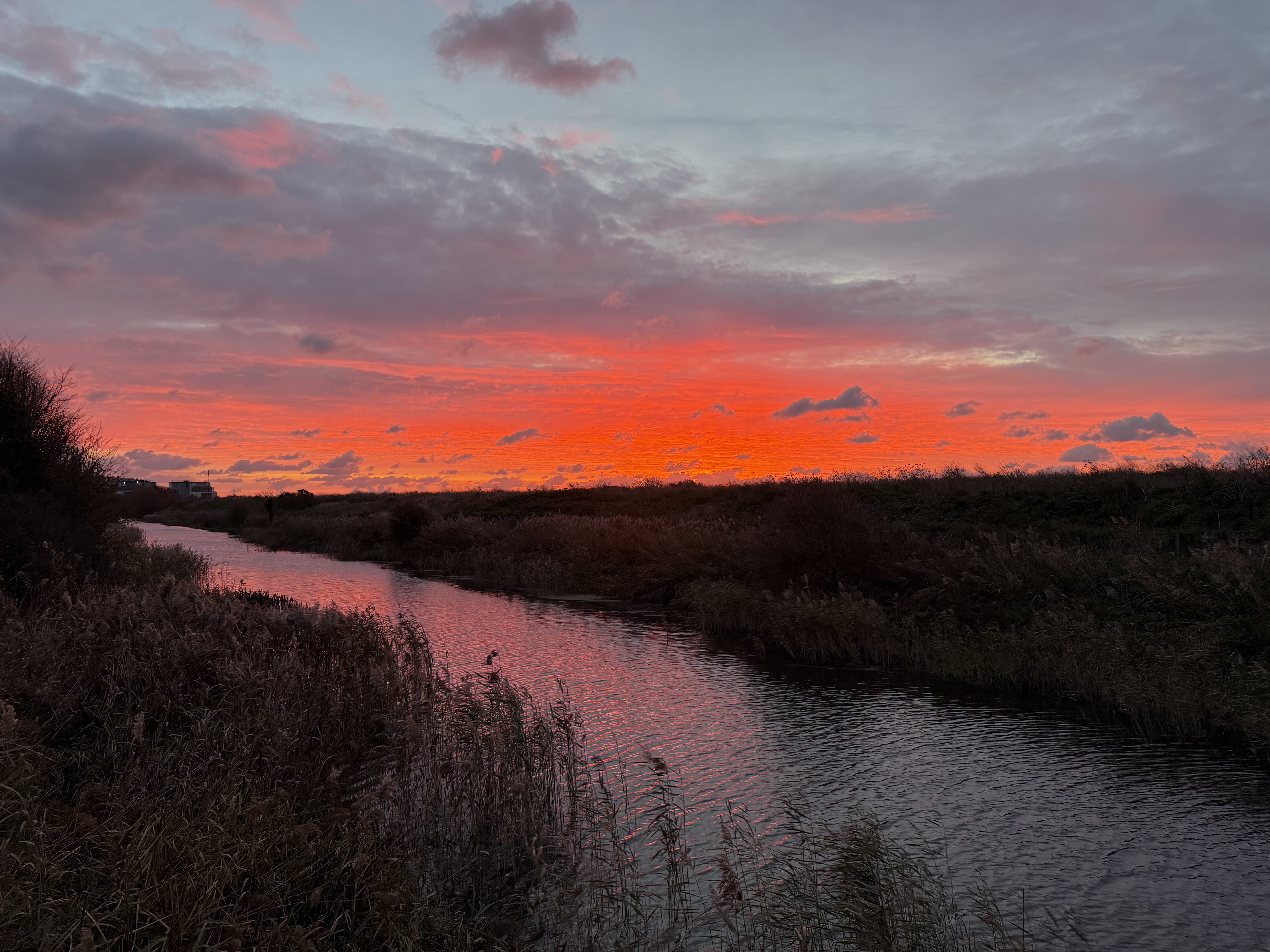
Places of Interest
The Fountain
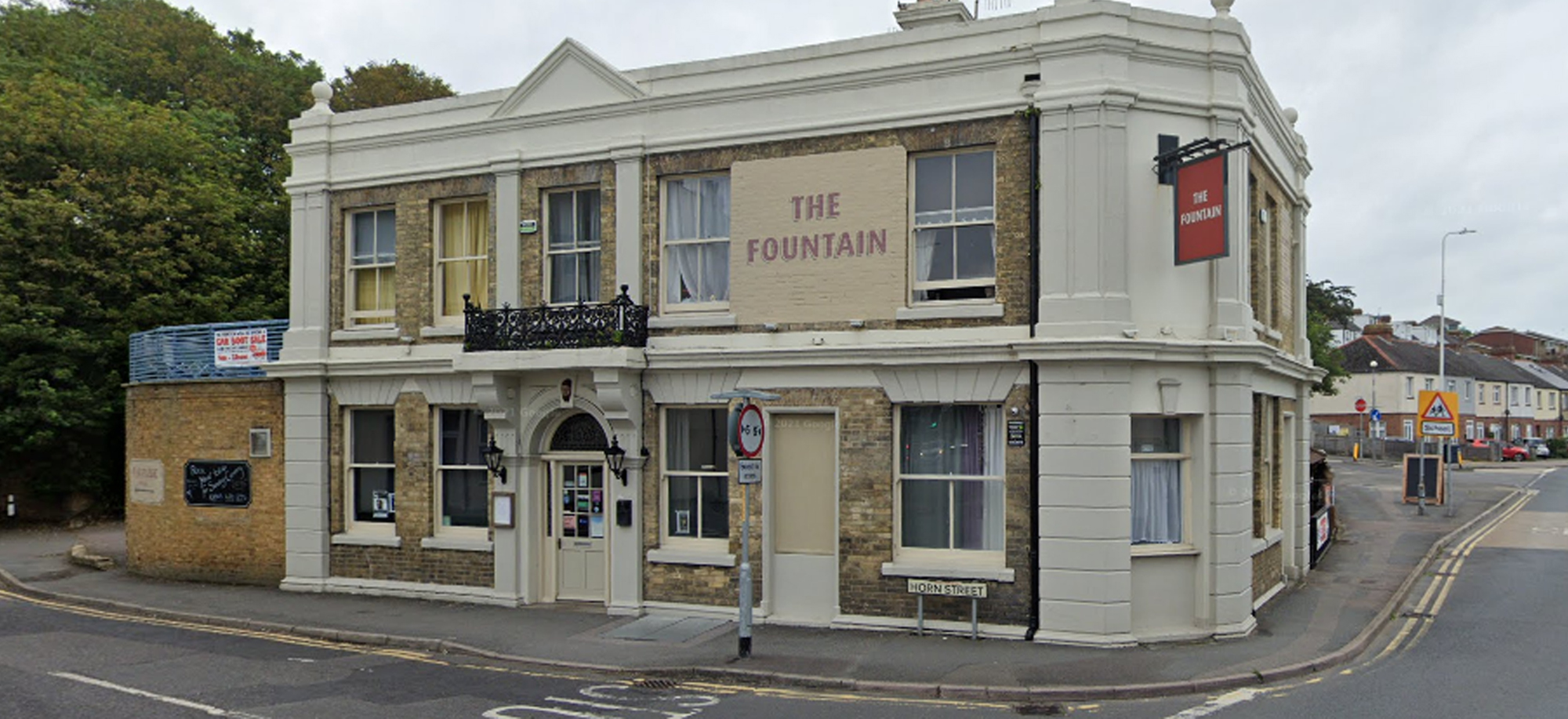
Nestled on the junction of Seabrook Road and Horn Street and with the brook running through the property you don't get much more central than The Fountain. At the heart of our village, The Fountain (also known as the Fountain Hotel) is one of Seabrook’s most beloved landmarks. The building dates from 1888 when rebuilt by Lenny's, it is standing on the site of a much earlier inn, and today it still exudes charm with its light, airy bar, traditional décor, and welcoming atmosphere.
Inside, you’ll find a warm and friendly pub where locals and visitors alike gather to enjoy real ales, good company, and hearty, old-fashioned pub grub using locally sourced ingredients.
The Seapoint Canoe Centre
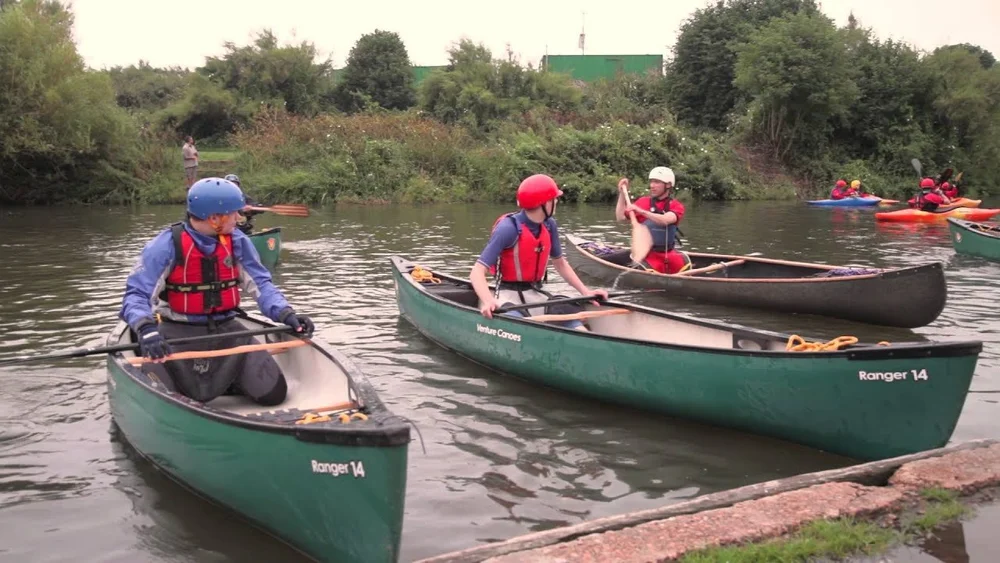
Located on Princes Parade in Seabrook, Seapoint Canoe Centre has long provided kayaks, canoes and paddle-boards for hire and instruction on the adjoining Royal Military Canal and sea, making it a key entry point for watersports in the area.
Seapoint Canoe Centre operates as a community-focused watersports hub, offering supervised sessions, skills training and equipment hire suitable for beginners through to confident paddlers. Its sheltered position makes it an ideal starting point for exploring the Royal Military Canal at a gentle pace, while more experienced users can take advantage of sea conditions along the adjacent coastline when weather allows. Over the years it has become a familiar landmark for outdoor activity in Seabrook, providing safe access to the water and encouraging residents and visitors to engage with the natural landscape through practical, hands-on recreation.
The Britannia
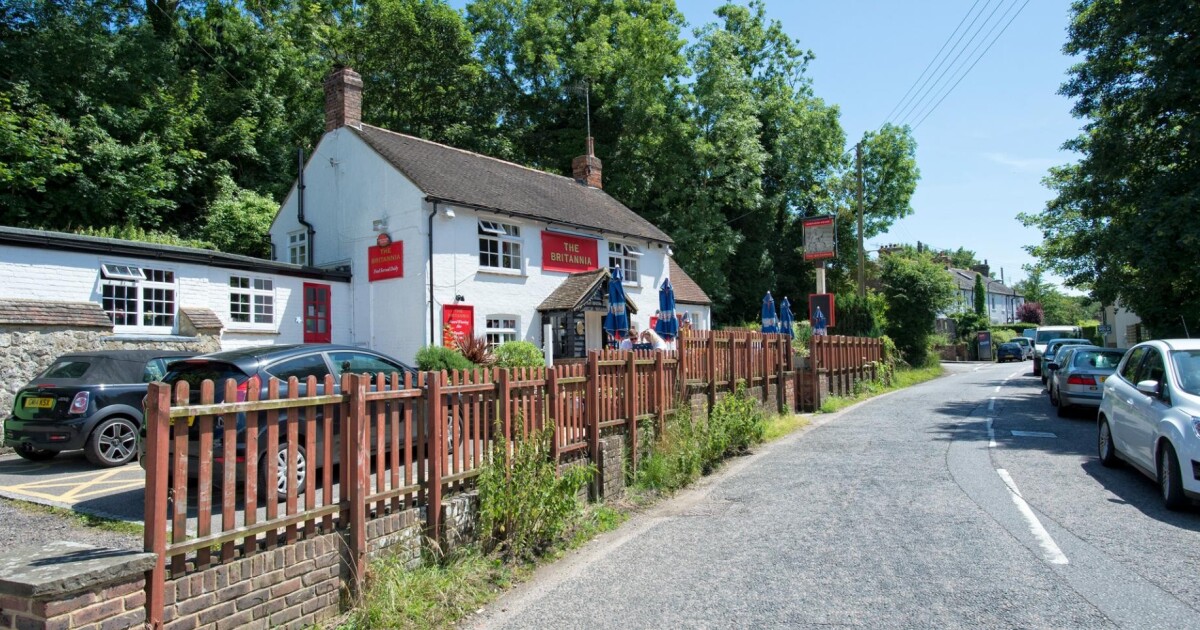
The Britannia Inn on Horn Street has its origins in the late 18th century, when two adjoining cottages were adapted into licensed premises serving the small but growing settlement of Seabrook. Early references show the building operating as a beerhouse before becoming a fully recognised inn during the 19th century. Its position near the base of Horn Street made it a natural stopping point for labourers, travellers, and local fishermen moving between the valley, the canal, and the seafront. Over time, alterations to the façade and internal layout reflected both the changing needs of the village and the gradual shift from cottage industry to a more structured local economy.
By the late Victorian period, the Britannia had become a well-established feature of Seabrook life, appearing in local directories and licensing records. It served not only as a drinking place but as a community point of contact in an area that otherwise had few public buildings. The inn’s long history offers a clear view into how small coastal settlements functioned before the modern era—built environment adapting slowly, buildings repurposed rather than replaced, and local inns playing a practical role in the daily rhythm of rural and maritime work..
Kent Downs & Paraker Wood
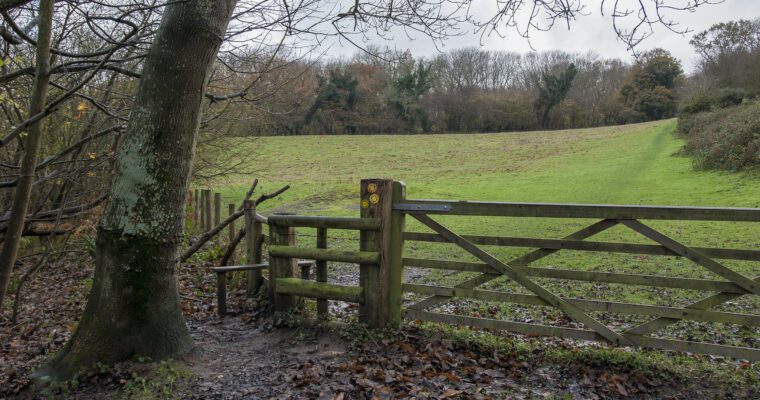
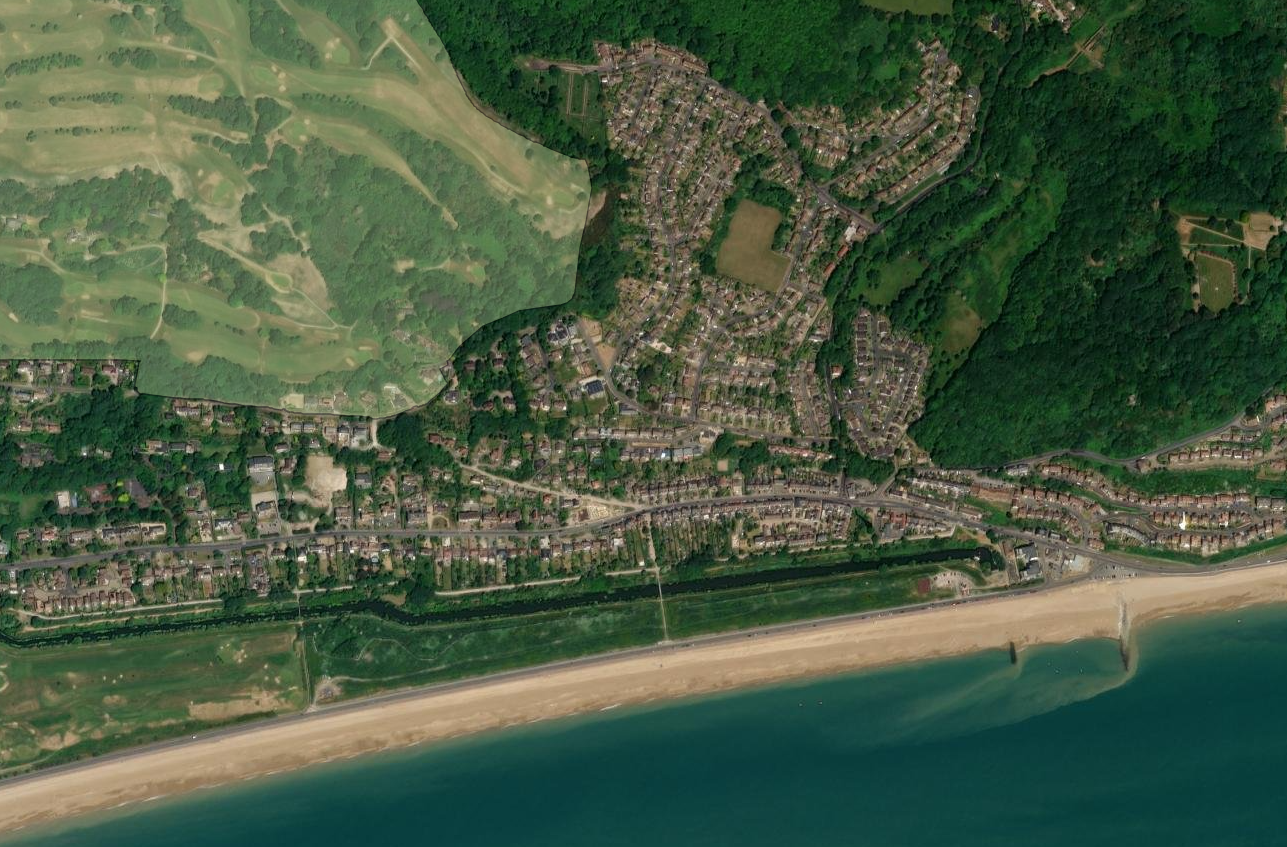
The Kent Downs National Landscape (formerly the Kent Downs AONB) begins its rise directly behind Seabrook, where the coastal plain gives way to the first slopes of the North Downs. In this part of the village, the boundary meets settlement at Cliff Road, Naildown Road and Spring Lane, marking the point where residential streets transition into chalk woodland, open grassland and the wider Downland ridge. The change in elevation is immediate and historically significant: this steep valley side formed a natural barrier above the Seabrook stream and shaped early land use, settlement patterns, and agricultural practices long before modern development arrived.
From these access points, the landscape quickly shifts into characteristic Downs scenery — ancient woodland, chalk escarpments, species-rich grassland and long views over the Channel and the Seabrook valley. These slopes are among the closest parts of the Kent Downs to the sea, creating a compact but striking meeting of coastal and downland environments. For Seabrook residents, Cliff Road, Naildown Road and Spring Lane act as informal gateways into the protected landscape, offering immediate access to footpaths, wildlife habitats and the wider network of trails that connect with the North Downs Way and surrounding countryside.
Royal Military Canal
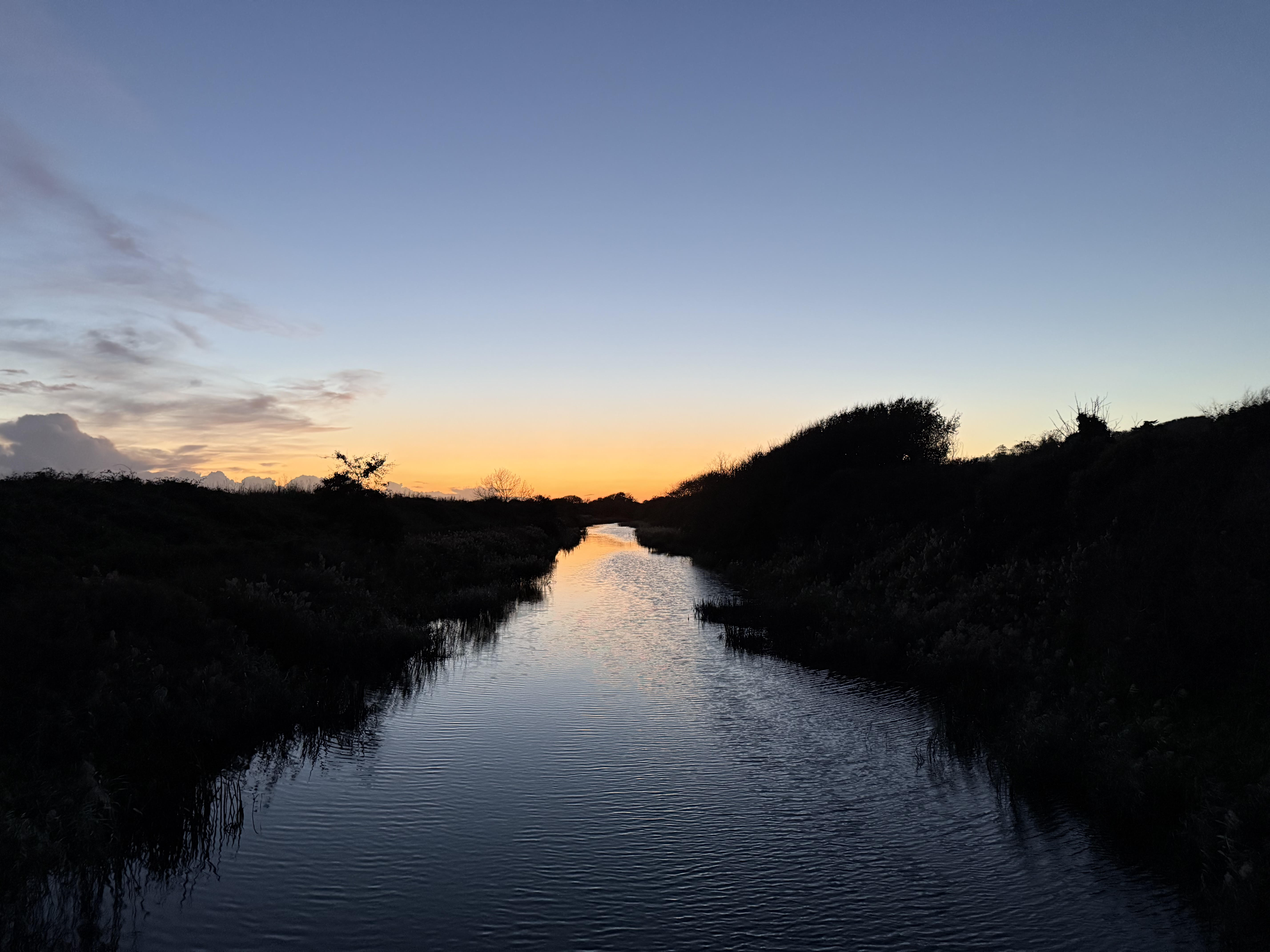
The Royal Military Canal begins at Seabrook, where construction first started in 1804 during the Napoleonic Wars. This western terminus marked the point where engineers began cutting the 28-mile defensive line intended to slow a potential French invasion. The canal’s alignment at Seabrook was carefully chosen: the narrow coastal plain here formed a natural choke point between the sea and the rising Downs, making it an ideal location to anchor the defensive system. Remains of the early works and documentary records show how the canal was dug in sections, with military labour and civilian contractors working side by side to shape what was then one of the largest engineering projects in Britain.
Today the Seabrook end of the canal still shows its original profile—a broad waterway with a military towpath and raised bank, built to hold troops, control movement, and provide lines of fire. While the defensive purpose has long passed, this stretch retains its historic character and offers one of the clearest views of how the canal was intended to function.
Explore Kent WebsiteSeabrook Stream
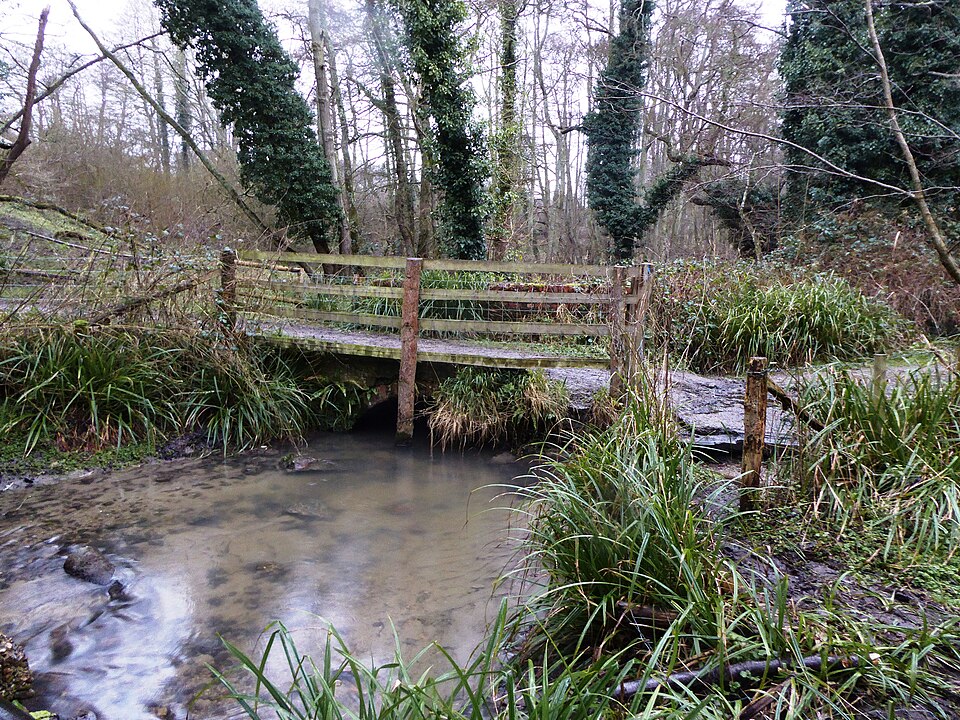
The Seabrook Stream, designated a Site of Special Scientific Interest (SSSI) in 1987, is one of the most ecologically important valleys in Kent. Rising in a wooded chalk valley below the North Downs, the stream crosses Gault Clay before cutting into the Lower Greensand, creating a sequence of springlines and seepages along its course. This varied geology produces a remarkable mosaic of habitats—from dry sandy slopes to saturated peat and fen on the valley floor—supporting extensive alder carr, reedswamp, and species-rich flushes. These wetland communities host plants such as opposite-leaved golden saxifrage, marsh marigold, yellow flag iris, great horsetail, and common valerian, forming one of the most distinctive natural environments in the Seabrook area.
The valley is nationally significant for its invertebrate life, with 67 species of cranefly recorded, including four nationally scarce species such as Erioptera limbata, known from only two other British sites. The combination of wet alder woodland, open flushes, reedswamp, and drier grassland also supports a diverse range of caddis flies, lacewings, harvestmen, and breeding birds including reed and sedge warblers, grey wagtails, and a notable colony of sand martins in the western quarry. This intricate arrangement of habitats, maintained by natural seepages and the stream’s gradient, makes the Seabrook Stream one of Kent’s most important refuges for wetland and woodland wildlife, as well as a key feature of the historic Seabrook valley landscape.
King Charles III Coastal Path
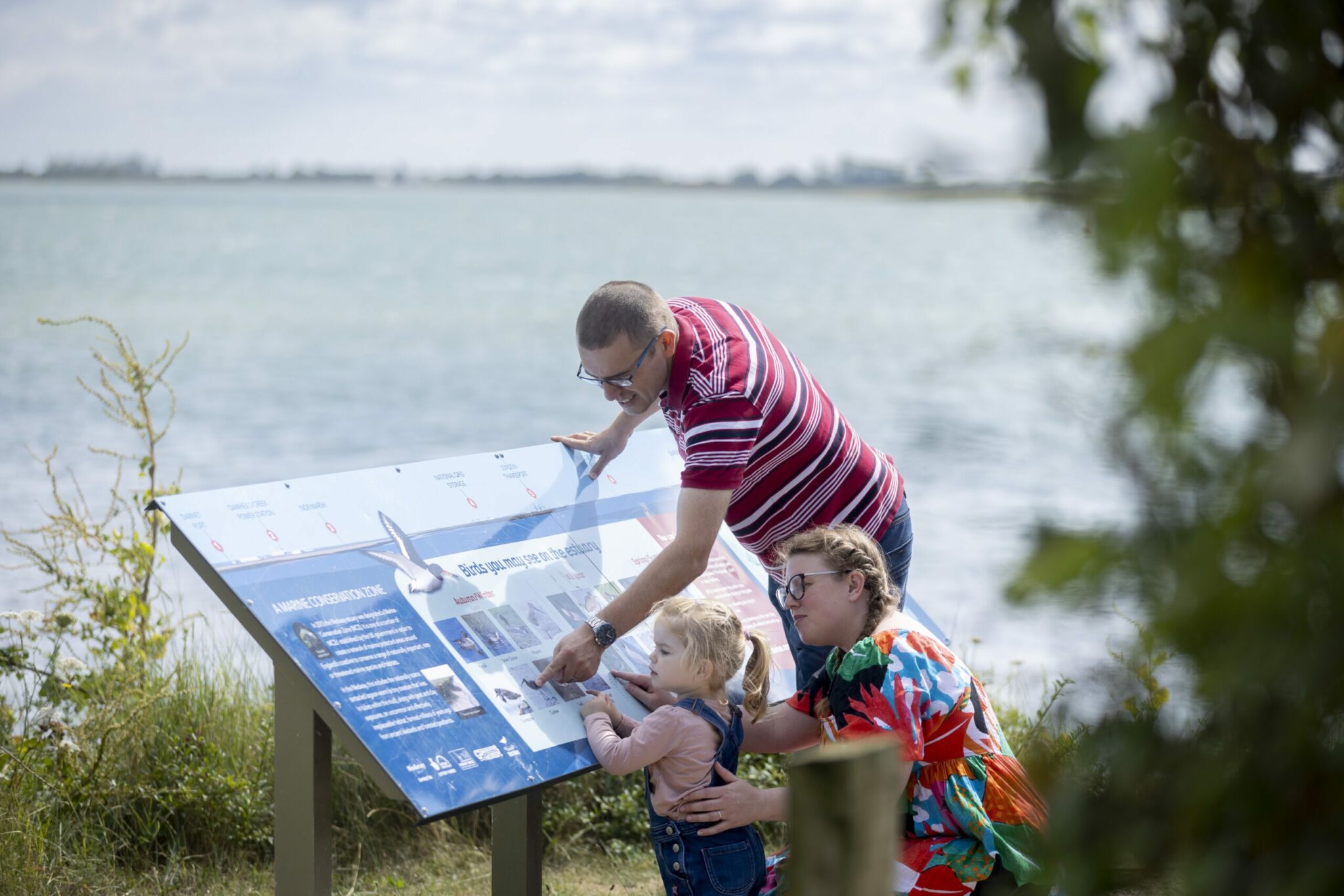
The South East portion of the Kings Charles III England Coast Path threads through Kent’s coastal stretch, offering walkers direct access to the seaside from village to cliffs. Starting from the wider region it passes through Seabrook and adjacent coastal zones, where the path transitions from the built-village environment into more expansive, natural shoreline and canal-valley landscapes. The route is part of a larger vision—once fully completed, the trail will span over 300 miles (496 km) in the South East.
Within the Seabrook area in particular, the path navigates beside the shore, meandering past the valley of the brook, along the wide views of the English Channel, and skirts the edge of the Kent Downs where the coastal plain meets rising chalk slopes. Here, walkers benefit from a rich mix of environments: from seaside promenade or shingle beach, through waterways and green corridors, and up towards downland heritage. The trail provides a continuous public right-of-way intended to link community, nature and coast and is actively marked and promoted by the National Trails organisation.
The Millhouse
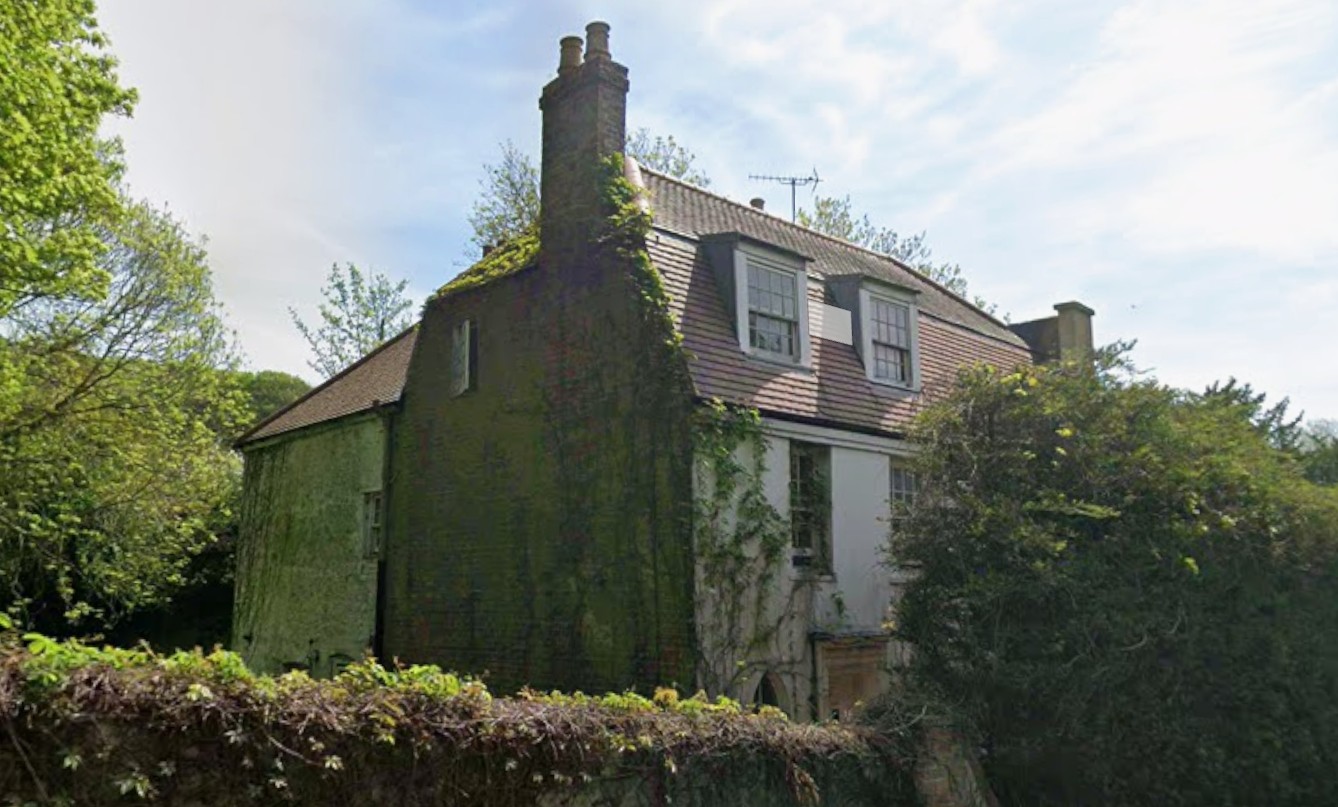
The Seabrook Stream once powered a small but significant industrial landscape along Horn Street, where it fed a combined paper and corn mill operating on both water and wind power. Known as Seabrook Mill, this site formed part of the local economy from at least the 18th century, using the steep fall of the valley and controlled water flow to drive its machinery. The mill complex stood just south of the village, where the brook turned westward toward Hythe, and its position reflects the long-standing practice of placing mills at transitional points between upland water sources and the coastal plain.
Historic records and archaeological work show that Seabrook Mill played an important role in processing grain and paper for the surrounding community, drawing on the reliable water supply of the stream and the prevailing coastal winds. Documentary evidence preserved by Historic England and local histories provides a clear impression of the site’s working life and its contribution to rural industry.
Archaeological Desk-Based Assessment (for a different building)
The Little Sauna

The Little Sauna in Seabrook is a compact, privately run seaside sauna that offers residents and visitors a simple, wood-fired wellness experience close to the beach. Set just off Seabrook’s coastal path, it provides timed sessions in a small, purpose-built cabin, giving people a chance to enjoy heat therapy in a quiet, informal setting. Its presence reflects the growing popularity of Scandinavian-style outdoor saunas in coastal communities, combining sea views, fresh air, and traditional sauna practice. Information about opening times, booking, and seasonal availability is shared through its social media channels
Coaster Kent
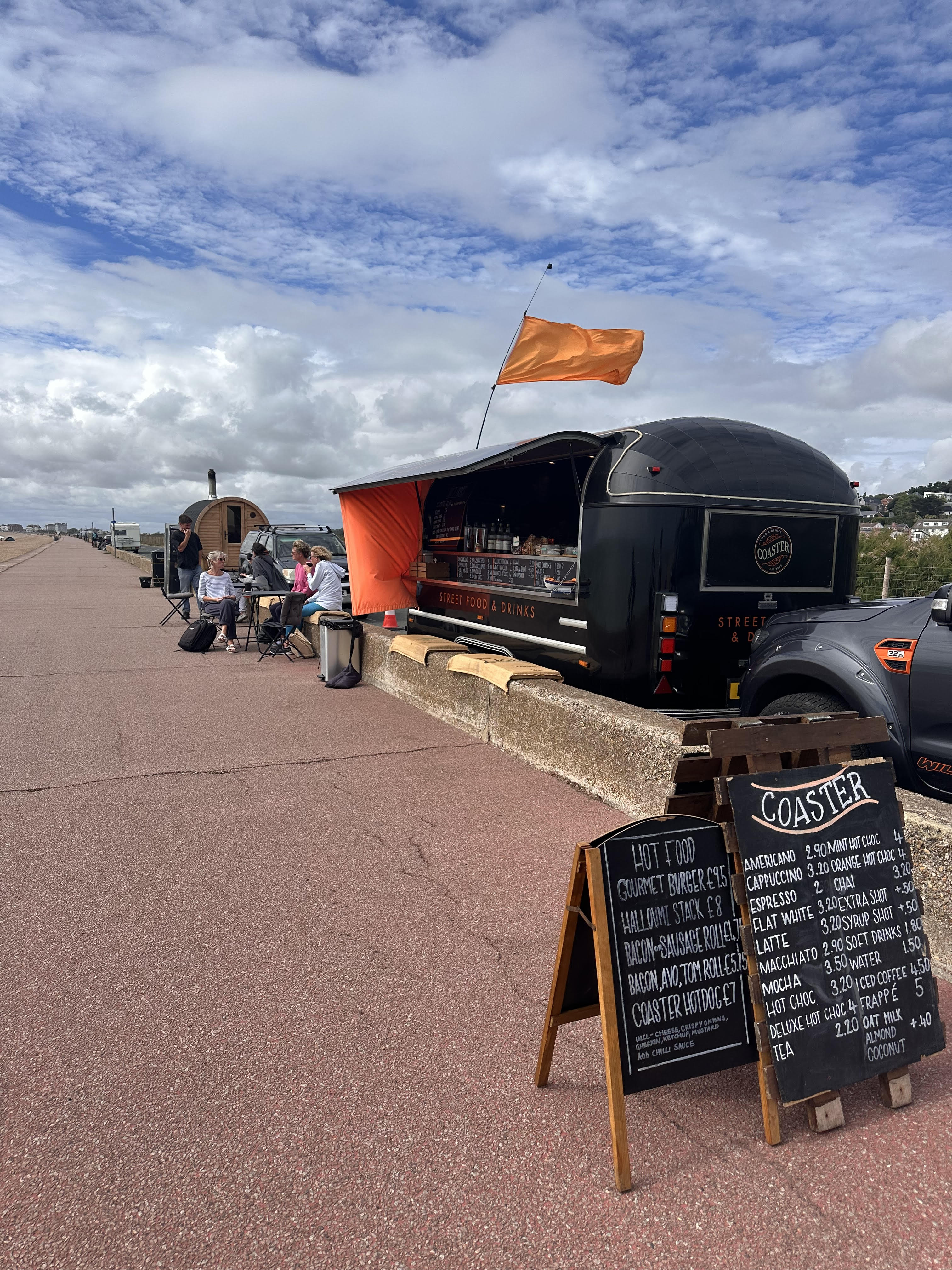
The mobile coffee bar known as Coaster Kent visits Princes Parade in Seabrook each weekend, offering a welcoming stop for walkers, beach-goers and locals alike. Serving freshly brewed coffee alongside hot breakfasts, pastries and other treats, the truck’s arrival adds a friendly, spontaneous spot to the seafront’s regular rhythm. With its vibrant presence on the promenade, it helps bring people together in this coastal setting while enhancing the village atmosphere.
The Kiosk
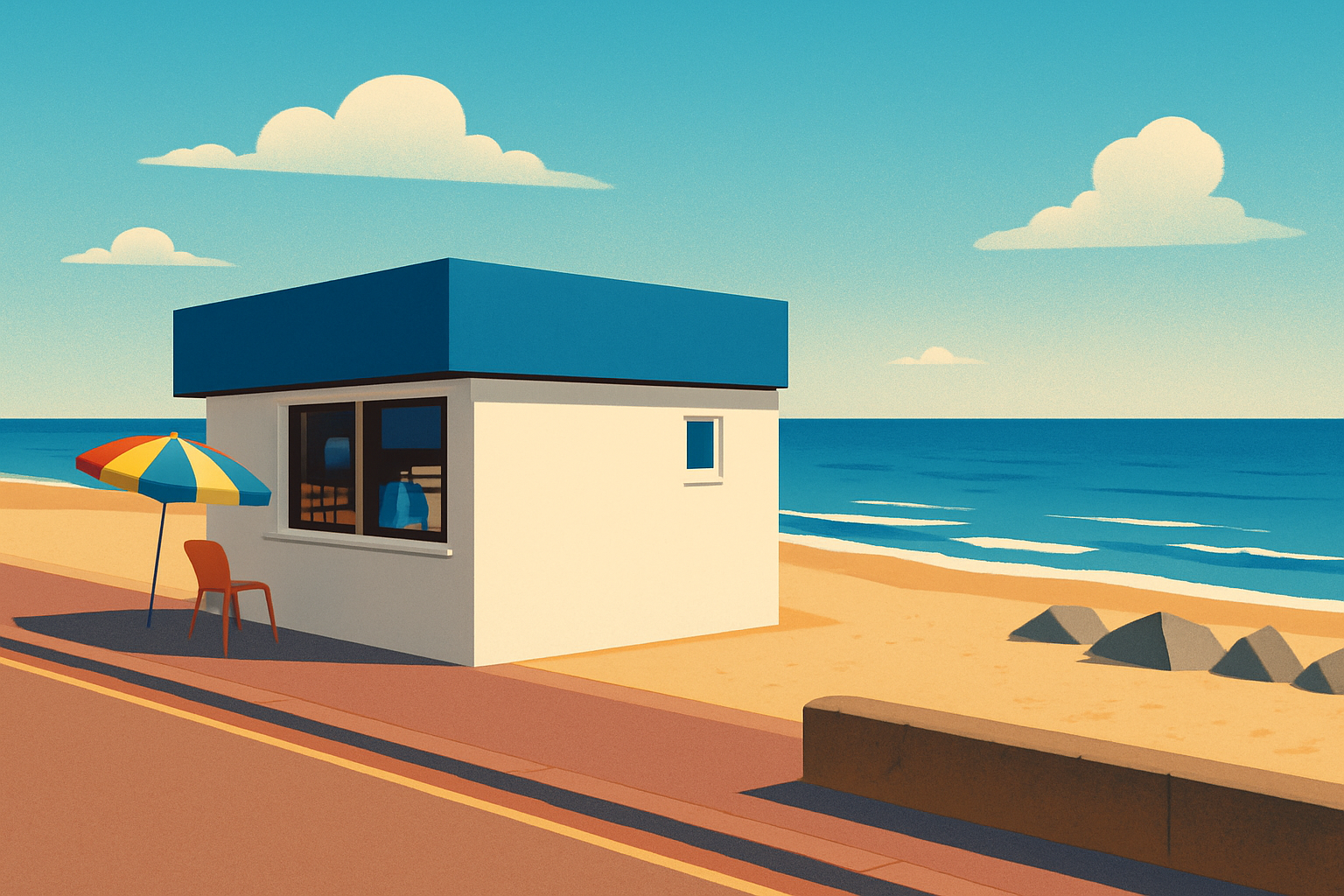
The Kiosk in Seabrook is a small seafront serving point located along the promenade, providing drinks, ice creams and simple refreshments to walkers, swimmers and people using the beach and Royal Military Canal. Positioned beside one of the busiest stretches of the coastal path, it has become a familiar stopping place for locals and visitors moving between Sandgate and Hythe. Its role is practical rather than elaborate, a small, dependable amenity that supports the everyday life of the seafront, offering quick service, a friendly presence and a traditional seaside feel that has become part of the character of Seabrook’s promenade.
Seabrook School
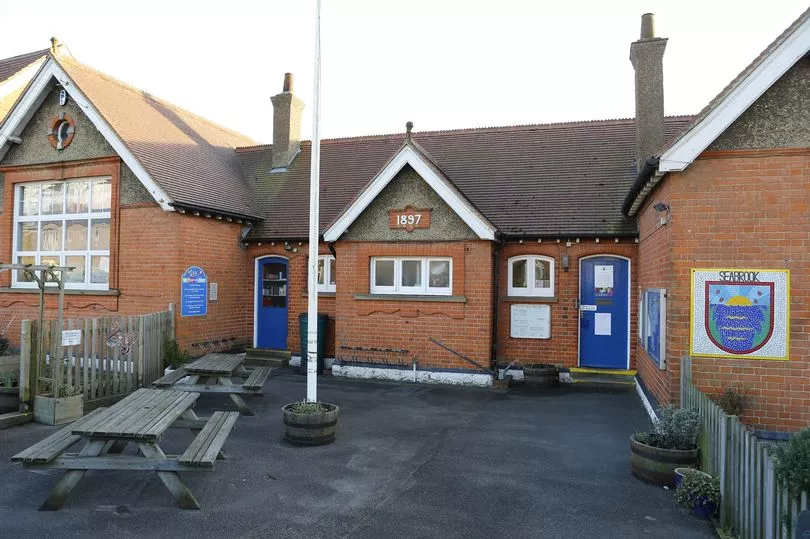
Seabrook Church of England Primary School has served the village for well over a century, providing education for generations of local children and acting as an important community anchor between Hythe and Sandgate. Set close to the valley and within walking distance of the seafront, the school reflects the scale and character of Seabrook itself; small, friendly, and closely connected to its surroundings. Its long-standing role in village life means many families have ties that span decades, and the school continues to be a focal point for community..
Best Tyme

The Best Thyme Café and Restaurant in Seabrook offers seafront casual dining, with a menu inspired by the exquisite cuisine of Lebanon and the Middle East. With food designed to be shared and savoured all while taking in the stunning seafront scenery.
The Honest Bakehouse
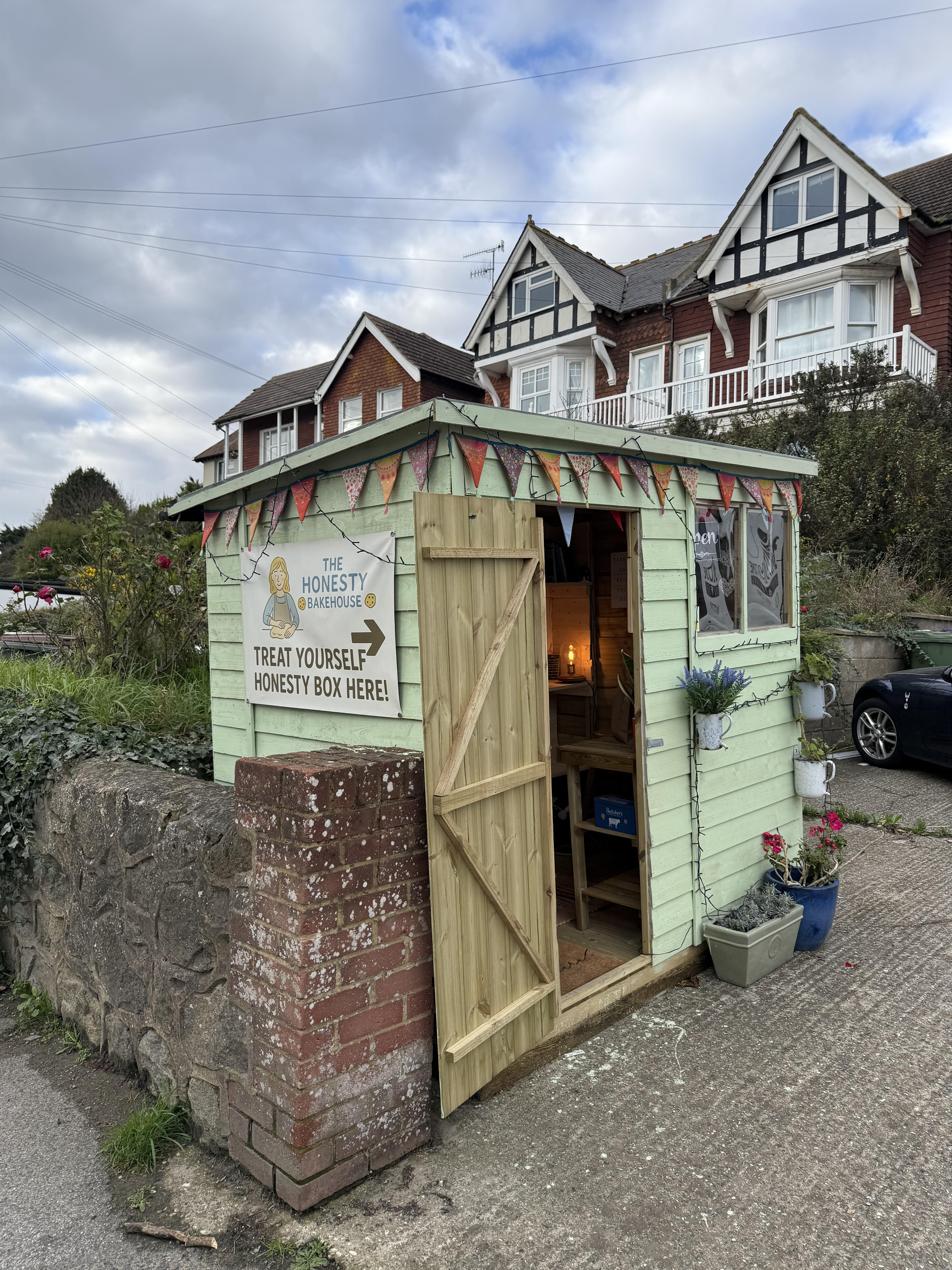
The Honesty Bakehouse is a small, home-based bakery in Hythe and Seabrook known for its honesty box filled with sweet treats such as sponges, blondies, brownies, millionaire slices and seasonal bakes. Open Wednesday to Sunday, it offers a simple “take what you like, pay what you can” approach that has quickly become a local favourite. The baker also creates cakes and bakes to order, with prices and commissions arranged via direct message. Fully insured, allergen trained and holding Food Hygiene Level 2 certification, The Honesty Bakehouse has built a reputation for quality, trust and a touch of warmth summed up by its motto: “Restoring Faith, One Bite at a Time.”
Seabrook Nature Reserve
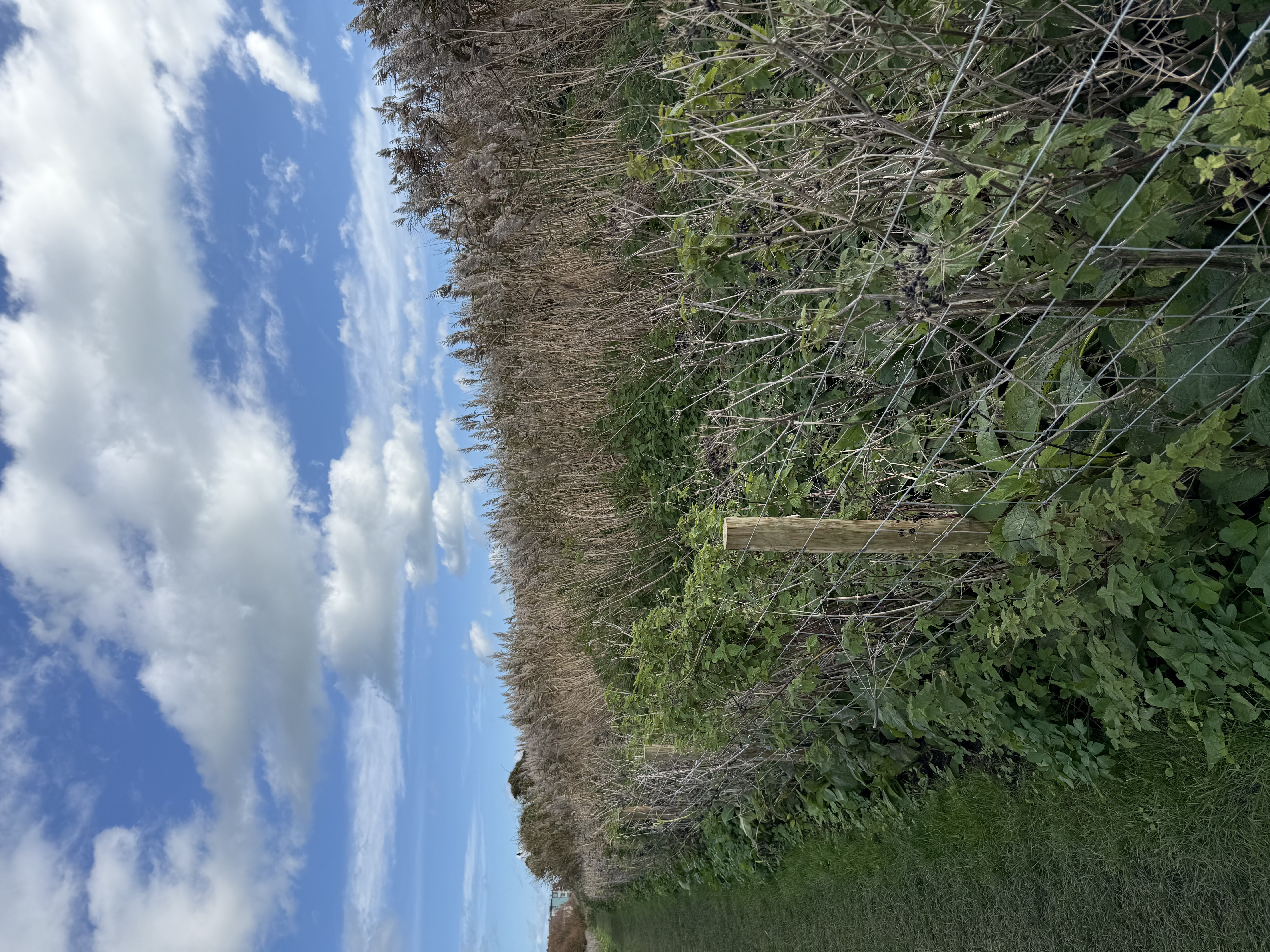
The Seabrook Nature Reserve is a community-led conservation project in Hythe, Kent, restoring and protecting the land between the English Channel and the Royal Military Canal.
Once a landfill and later the subject of development proposals, the site is now being transformed by volunteers into a mosaic of grassland, scrub, shingle, and freshwater habitats that support reptiles, amphibians, bats, badgers, and birds including kingfisher and Cetti’s warbler.